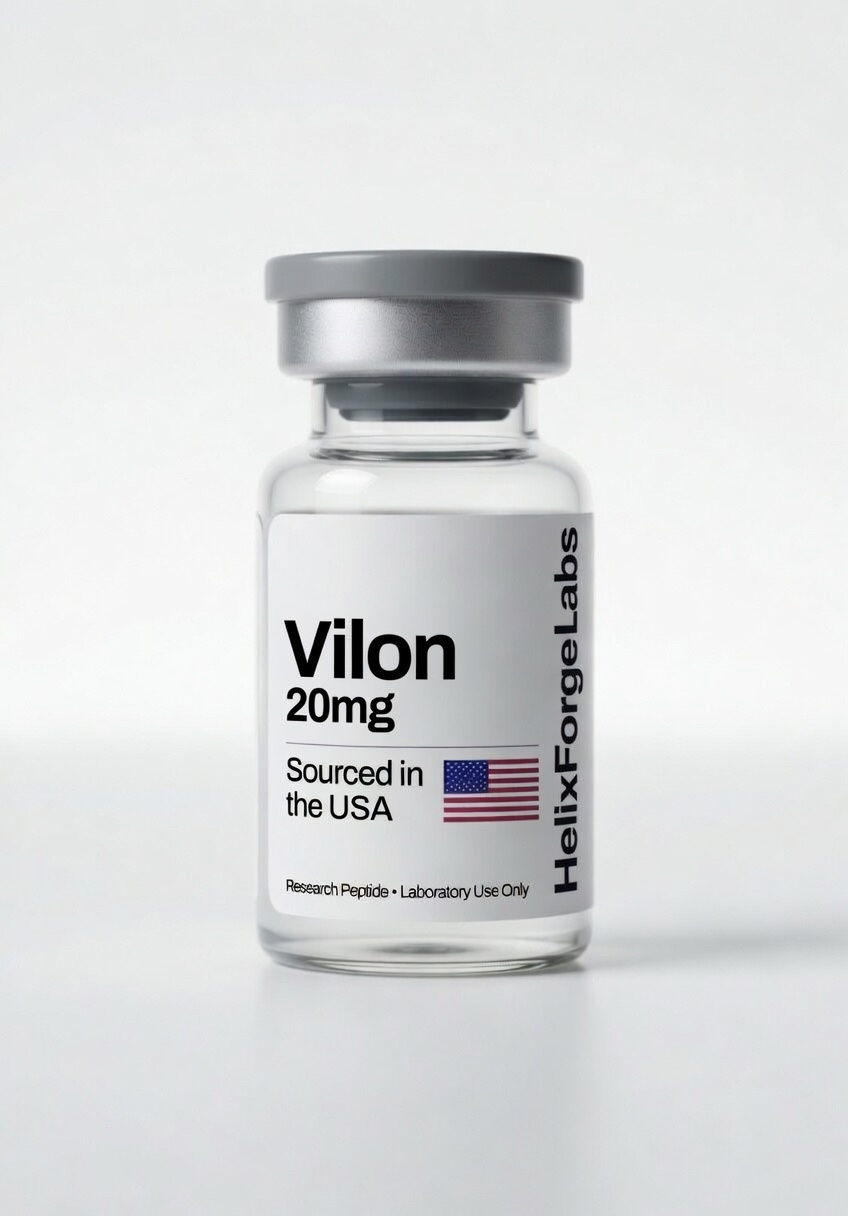
Immune System Support & Modulation Vilon acts as an immunomodulator. It may stimulate T-cell proliferation and differentiation (especially thymocytes and CD4+ T-helper cells), enhance immune cell activity in aging models, and help balance immune responses. Research suggests it can reduce excessive inflammatory cytokines while supporting overall immune competence, potentially beneficial for immunosenescence (age-related immune decline).
Anti-Aging & Longevity Effects One of the most notable findings comes from mouse studies where chronic administration of Vilon was linked to 20–40% lifespan extension in certain strains, alongside increased physical activity and endurance. It appears to counteract aspects of cellular aging by reactivating silenced genes through chromatin remodeling (deheterochromatinization), helping restore youthful patterns of gene expression in lymphocytes and other cells.
Tissue Repair & Regeneration Studies indicate Vilon may promote cell proliferation in various tissues (e.g., thymus, spleen, intestinal lining, retina, and neurons), support wound healing, and aid recovery from radiation or other stressors. It has been explored for potential benefits in conditions involving tissue damage or impaired regeneration.
Potential Anti-Tumor / Cancer-Inhibitory Effects In some animal models, Vilon was associated with reduced spontaneous tumor incidence, slower tumor progression, and fewer preneoplastic changes (e.g., in bladder or lung models). This is thought to occur partly through immune enhancement and anti-inflammatory actions, though results are preliminary and not directly translatable to humans.
Other Investigated Areas
Possible support for kidney function and reduction of inflammation in models of chronic kidney disease (CKD).
Modulation of hemostasis (blood clotting balance) and vascular effects.
Potential neuroprotective or cognitive support via effects on brain neurons (limited data).
Anti-inflammatory properties and possible benefits in autoimmune balance.